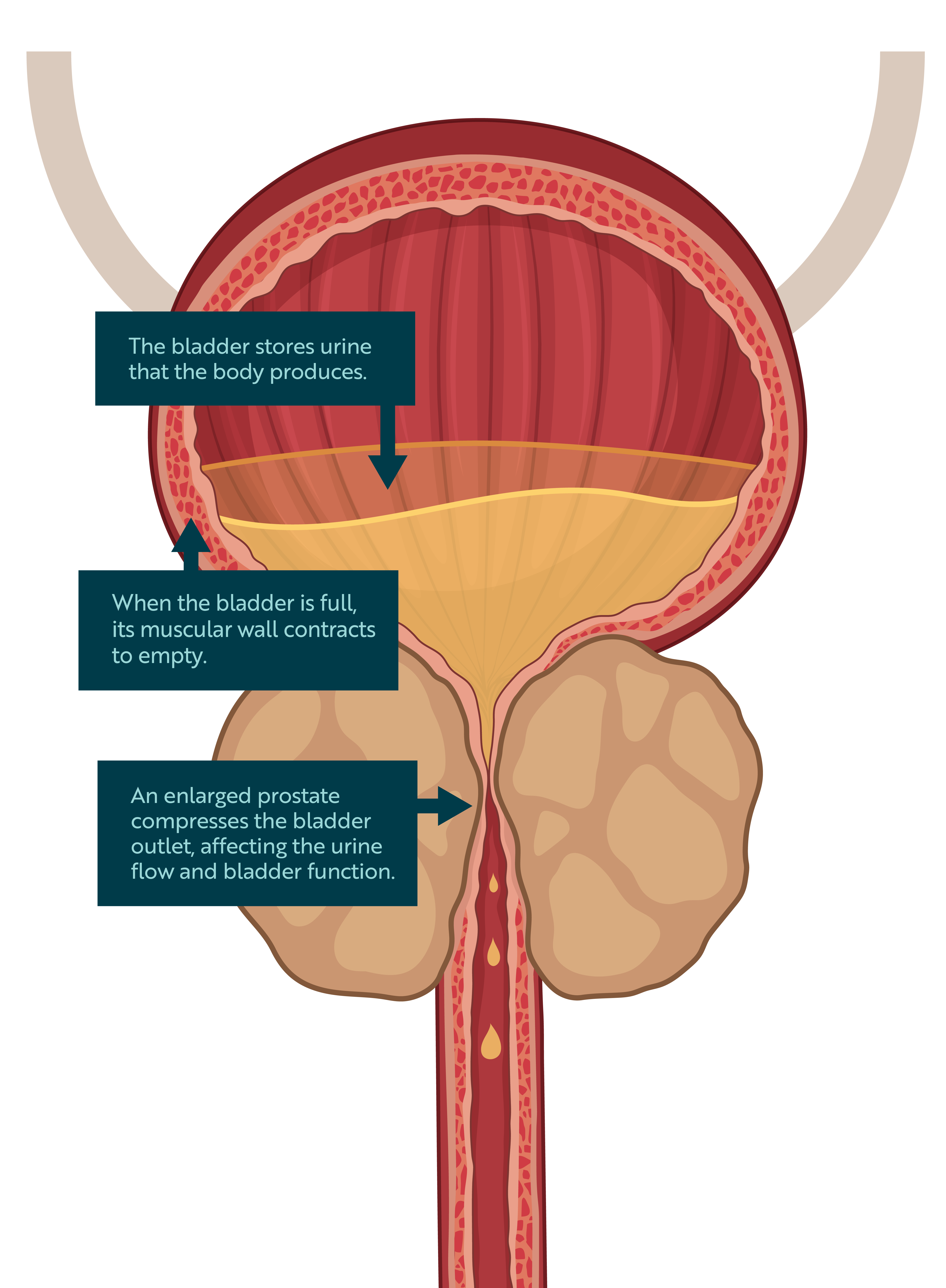
For men with an enlarged prostate, also known as benign prostatic hyperplasia (BPH), maintaining a healthy, properly functioning bladder is key to long-term health and well-being.
Your bladder’s ability to effectively “pump” urine out of the body is directly related to BPH symptoms like frequency (going often), nocturia (going often at night), hesitancy (trouble starting), poor stream, and dribbling. The purpose of all BPH treatments is to reduce the blockage caused by the prostate to make it easier for the bladder to empty.
There are two different approaches to treat the blockage that affects urine flow:
a) Medications that work in different ways to try to relieve the stress on the bladder, and
b) Procedures which directly remove the blockage.
Depending on the health of your bladder, your symptoms and your overall health, you and your urologist will determine the best options to treat your prostate. Your urologist may also order additional tests to help determine the best treatment option.
The best predictor of symptom relief is a healthy, functioning bladder.
If you have excellent bladder function, reducing the blockage will lead to symptom relief. If your bladder function is limited, symptom relief can be limited, or slow to improve. Intervening at the right time reduces the likelihood of chronic retention and long-term catheterization.
How hard is your bladder working?
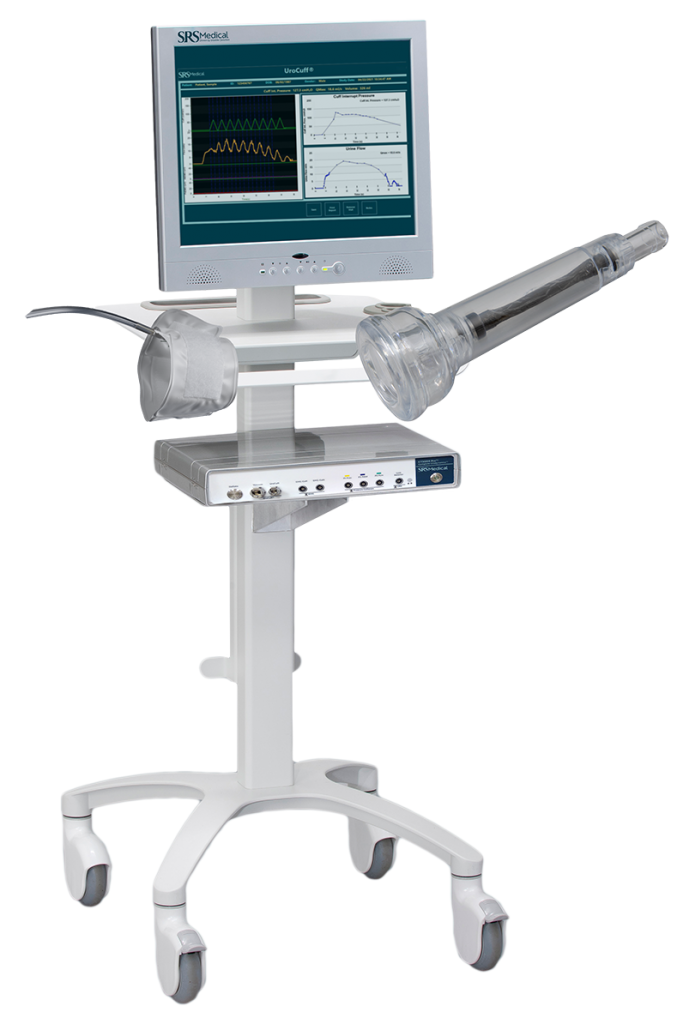
The UroCuff Test measures the amount of pressure generated by your bladder and the resulting urine flow rate and quantity.
Your urologist also measures how much urine remains in your bladder after you finish emptying, which is also an important factor in determining the best treatment plan.
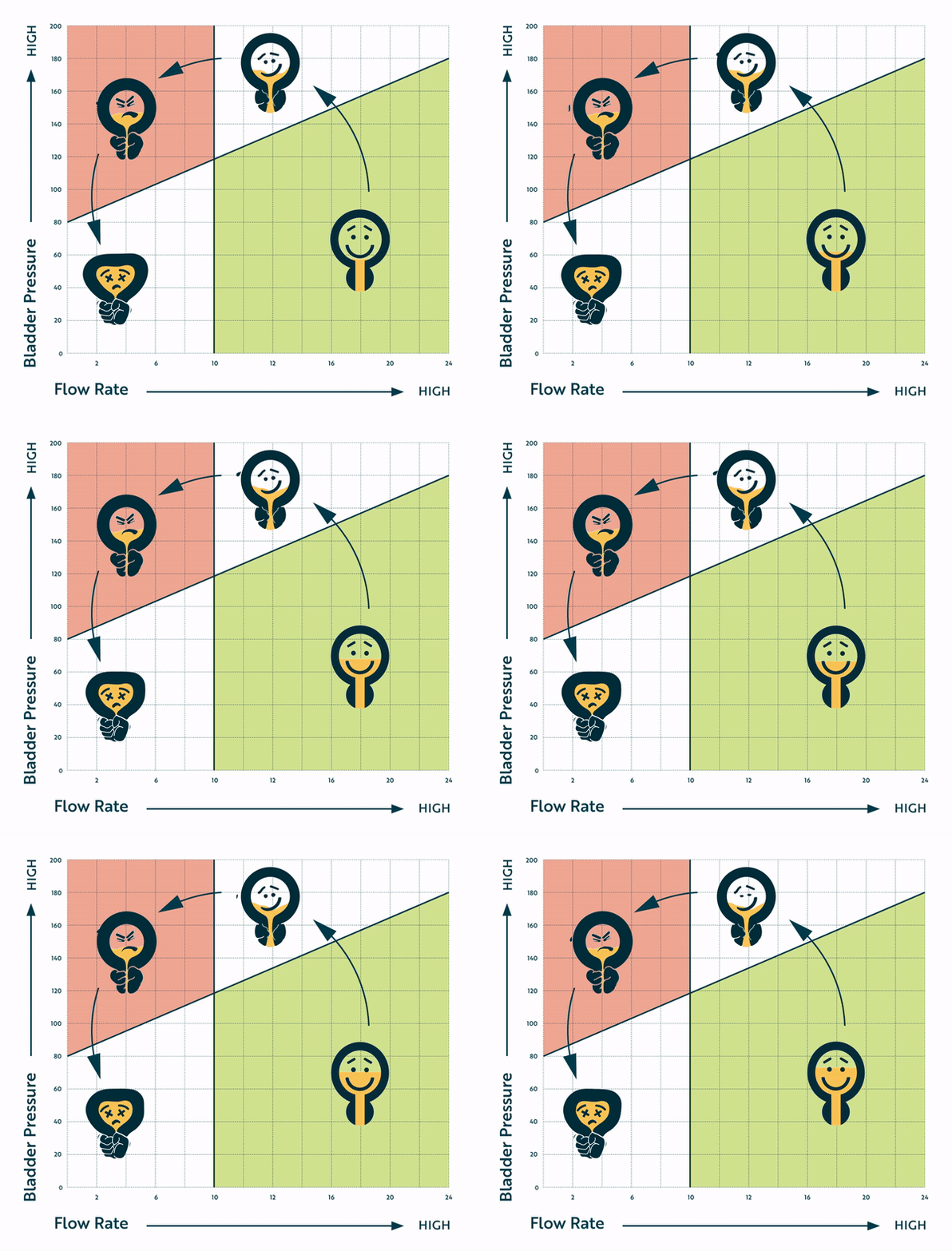
The Bladder lifecycle

Patients who do not have a urethral blockage often have normal bladder pressure, normal urine flow rates, and low levels of urine remaining in the bladder after emptying.

As the urethra narrows, the bladder is forced to squeeze harder to effectively empty.
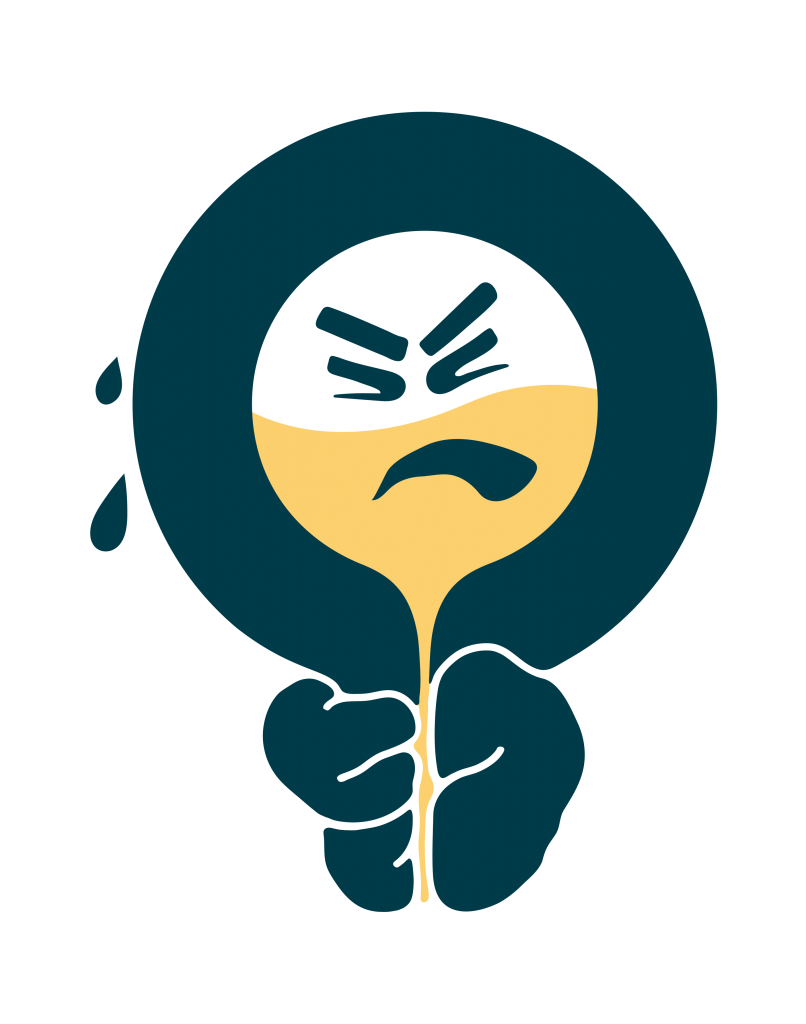
Over time, as the prostate further compresses the urethra, the bladder continues to squeeze hard, but the urine output slows down.
Sometimes, the amount of urine that the bladder can store decreases and the bladder is not able to completely empty. Both factors can contribute to a feeling of fullness, and a frequent urge to urinate.
Usually after an extended period working against a prostate blockage, the bladder’s ability to squeeze becomes limited.
Your Bladder Matters
Ask your urologist about your bladder function test results.
Better Answers
The UroCuff Test measures bladder function during voiding and provides important insights to optimize BPH care.
It offers your practice a LUTS patient management platform providing better clinical outcomes and greater efficiency.